1
Day 1
Ancient Corinth
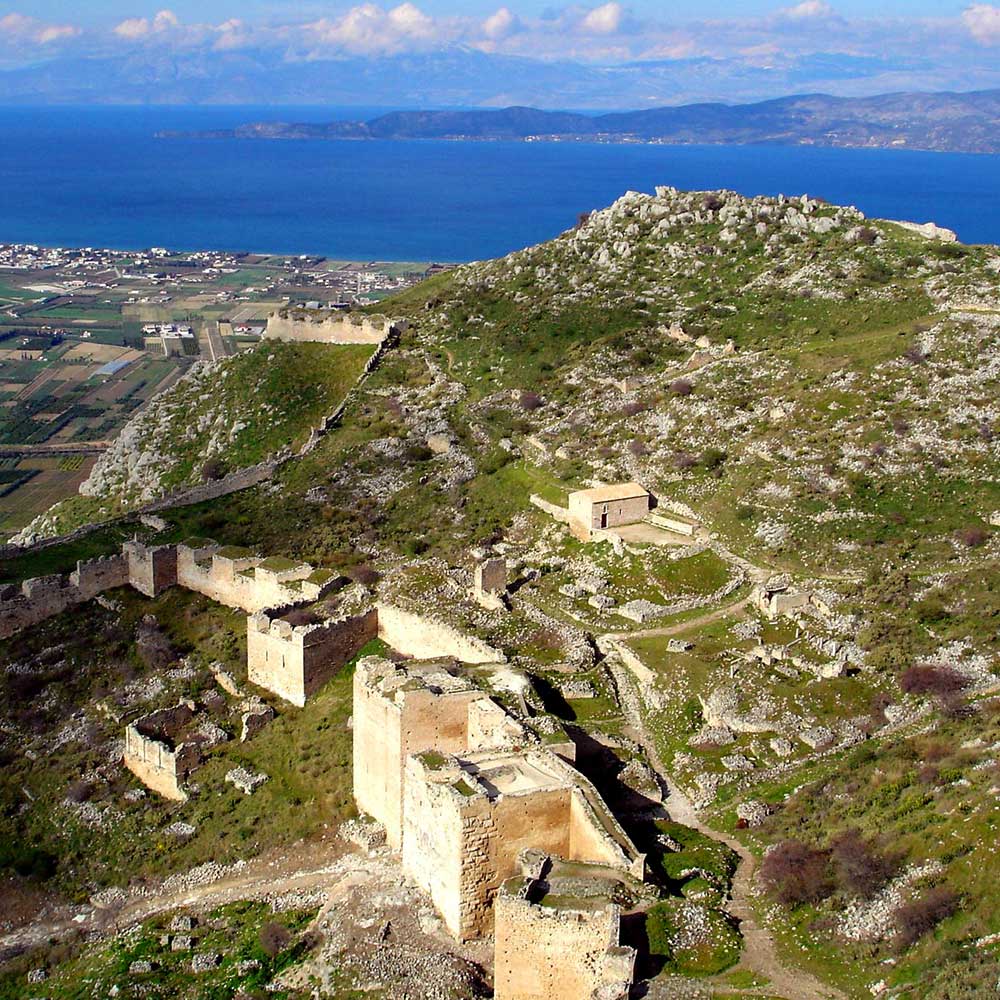
Leaving from Athens through the coastal highway to Corinth Canal making a short stop for pictures. We will then continue to Ancient Corinth one of the richest towns in Ancient Greece, where Saint Paul lived and preached for two years.
2
Epidaurus
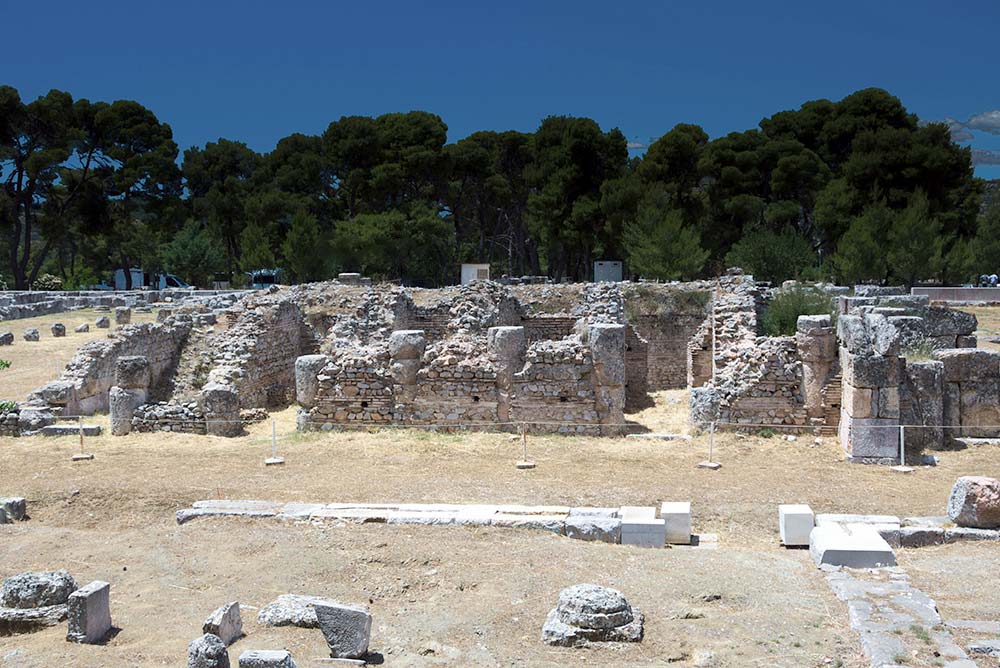
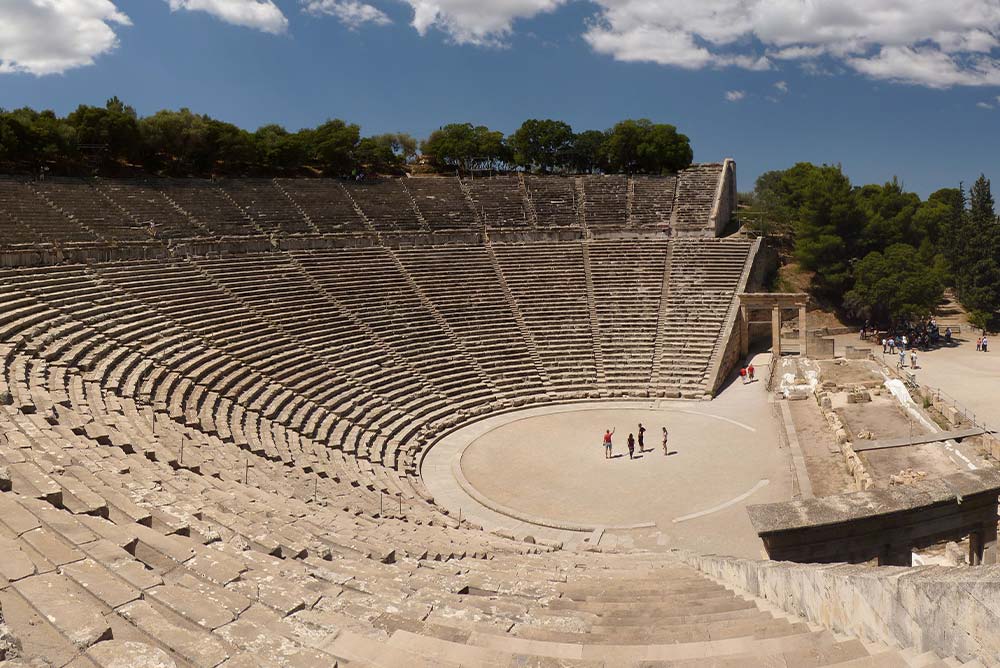
After visiting Ancient Corinth we depart for Epidaurus, known in antiquity as a healing center and its famous theater.
3
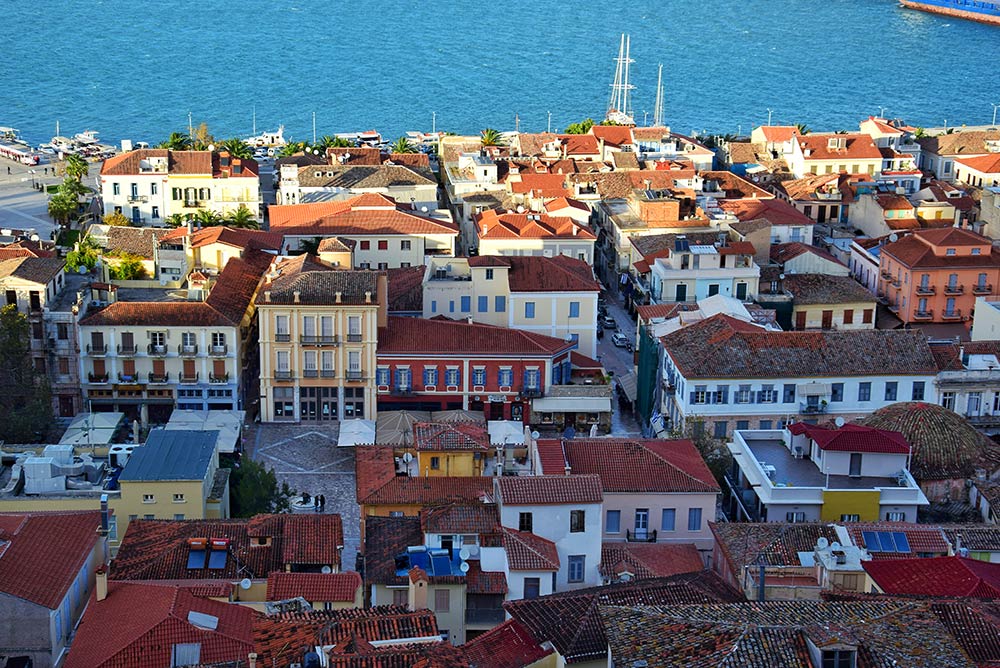
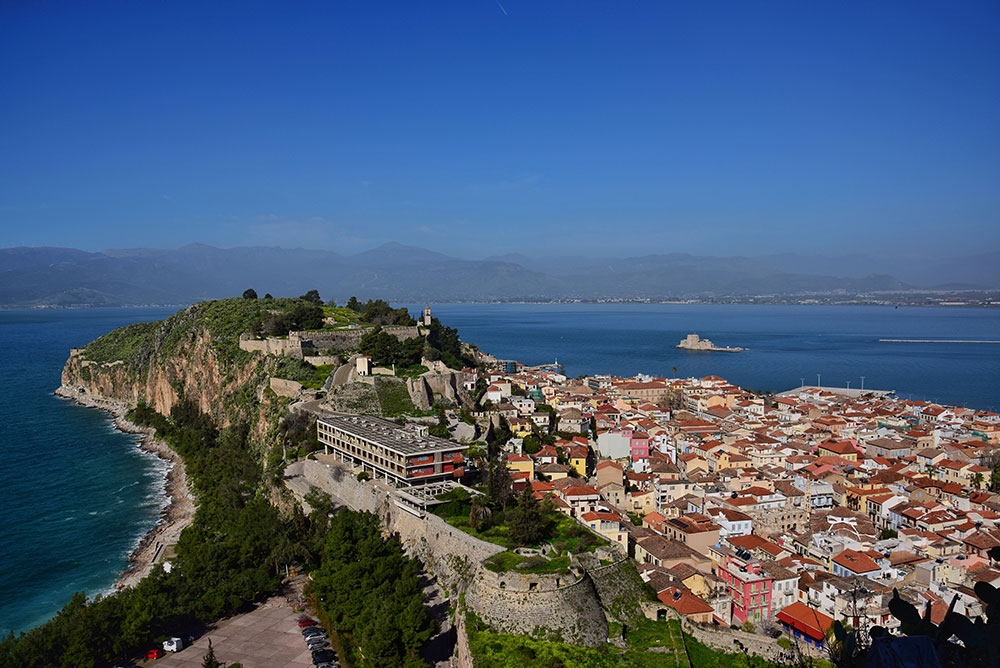
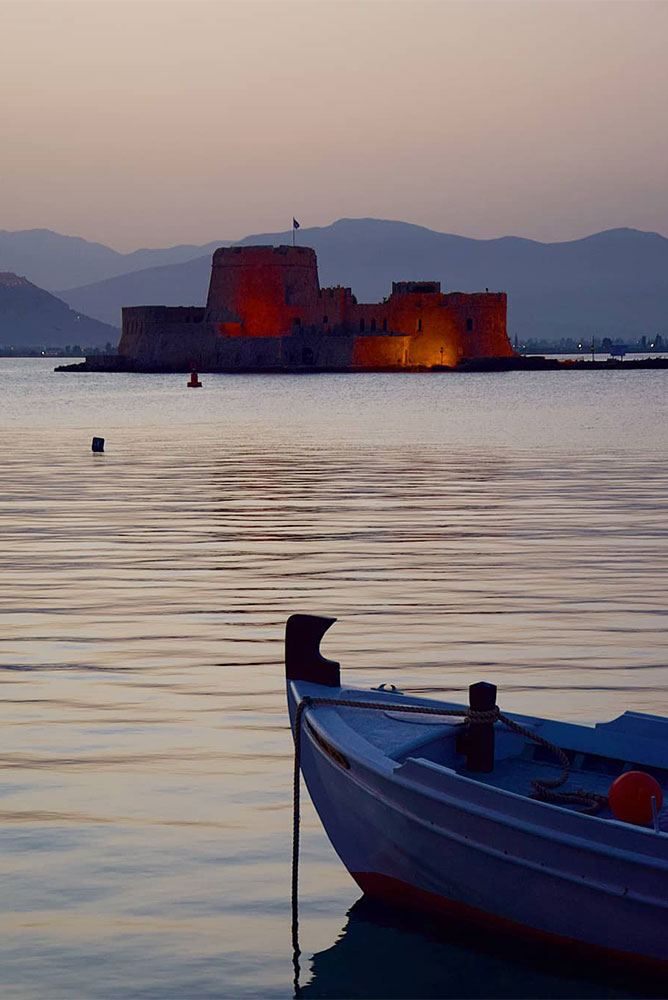
Nafplio
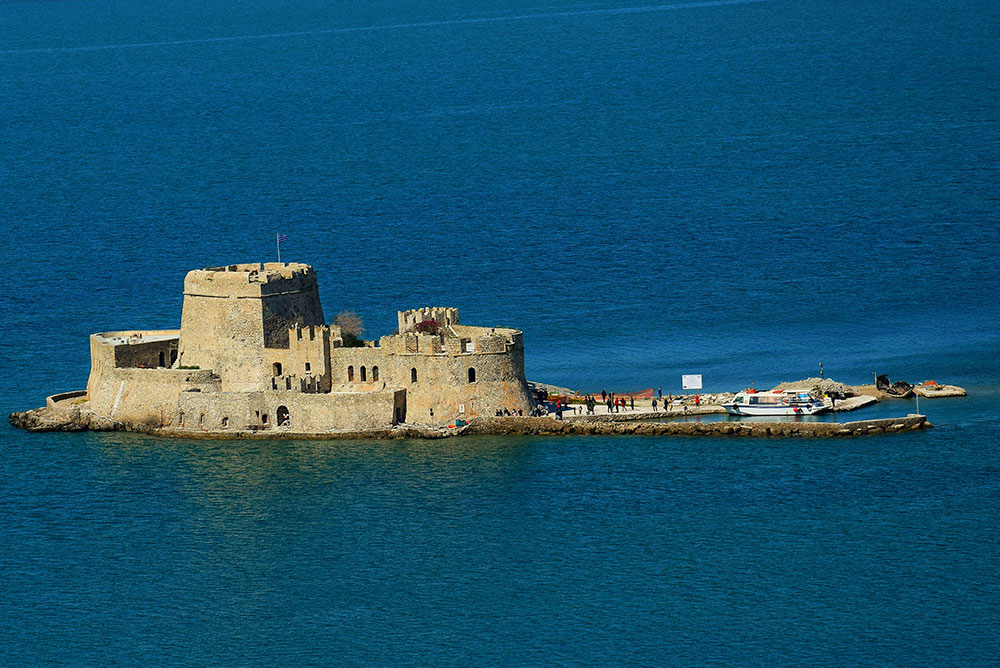
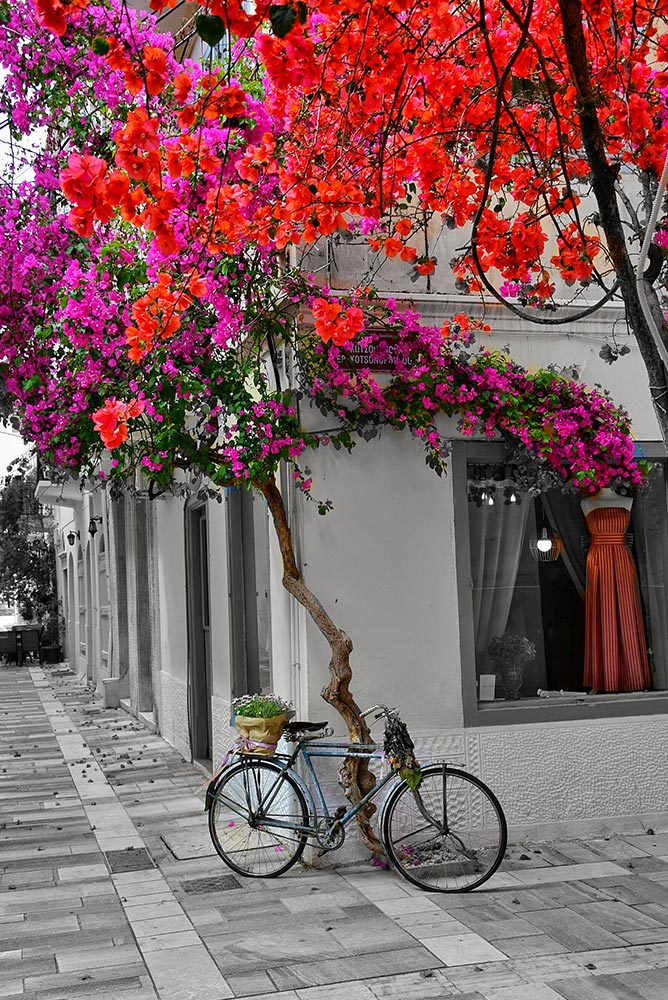
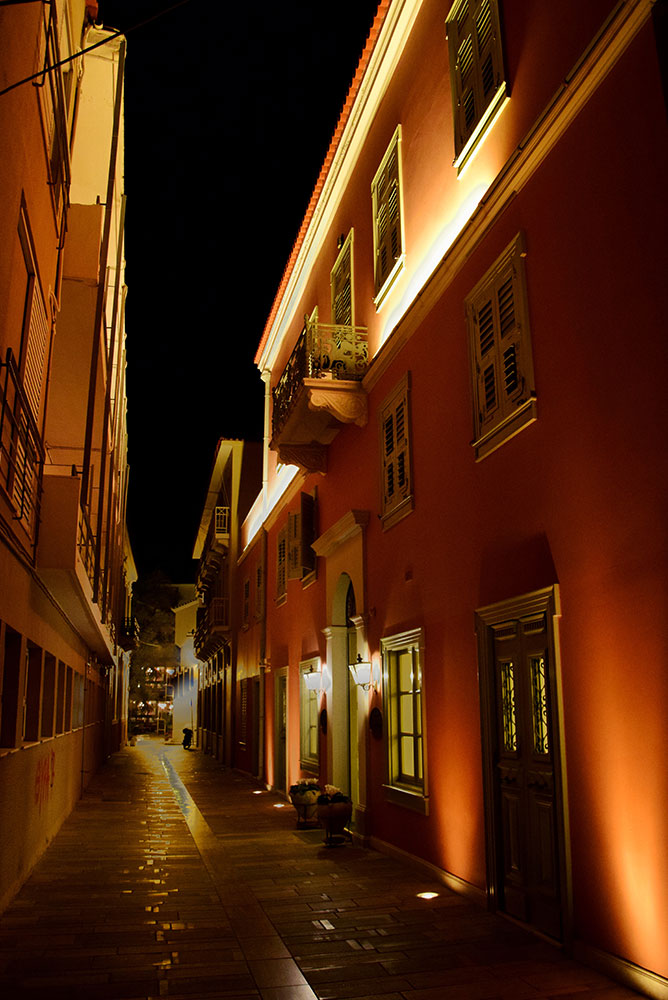
We will then head to Nafplio where you have the opportunity to explore this picturesque city.
Overnight stay in Nafplio.
4
Day 2
Mycenae
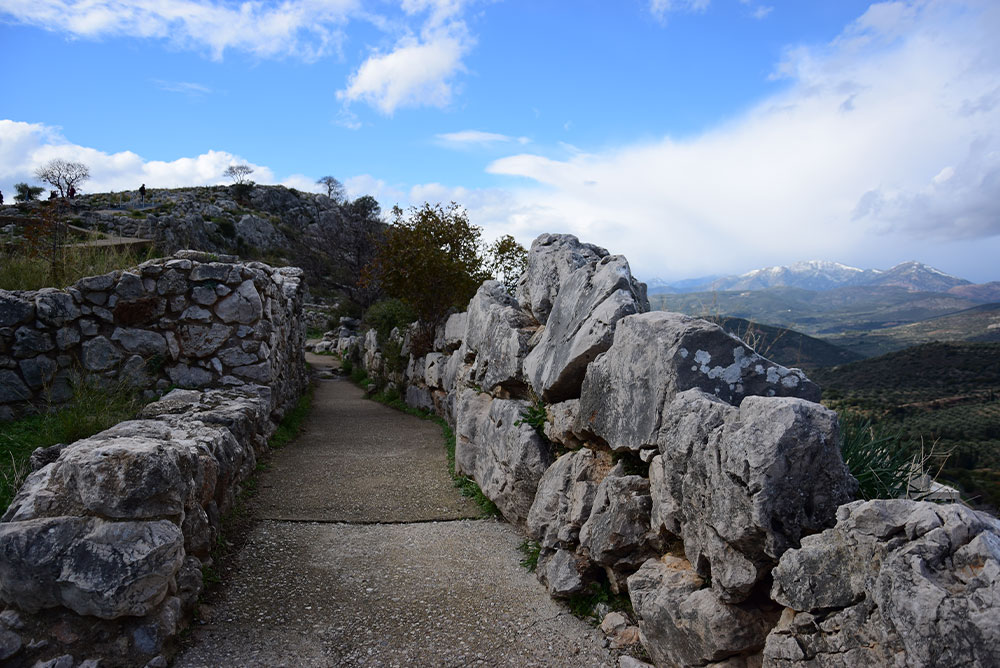
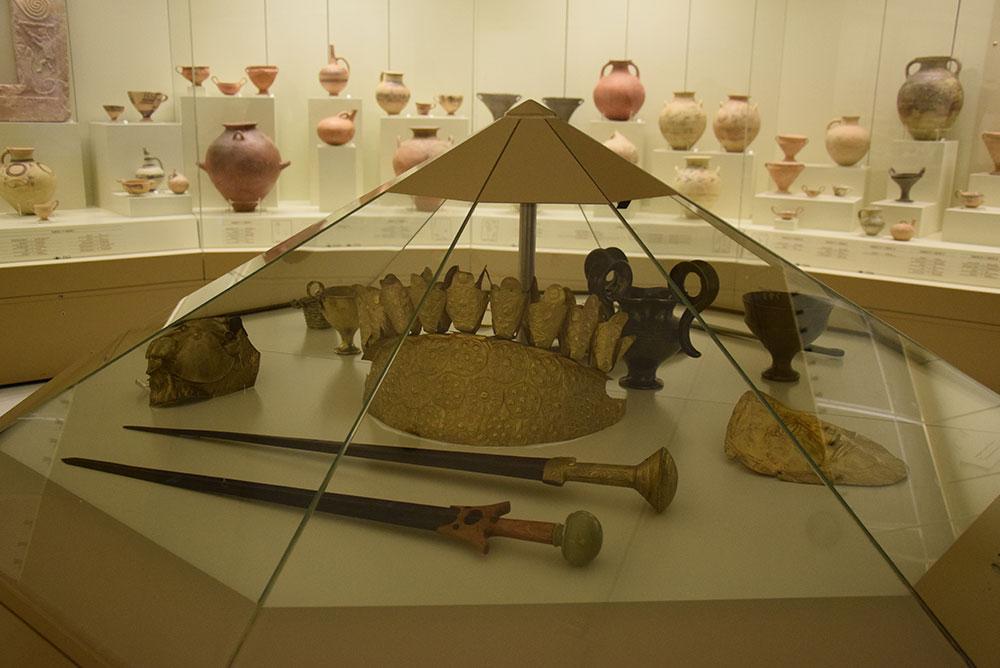
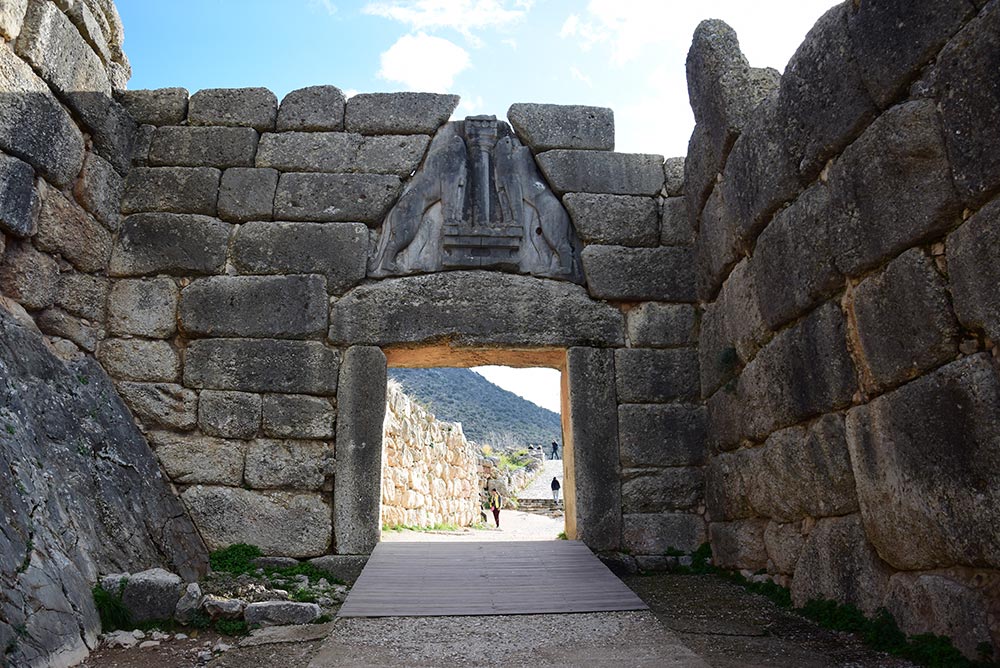
After breakfast, we drive to Mycenae one of the most significant historical monuments of Greek civilization. Mycenae was the kingdom of the mighty Agamemnon, leader of the Greek army during the Trojan war.
5
Olympia
After having lunch in Mycenae,we depart for Olympia driving through the picturesque mountains and villages of central Peloponnese.
Overnight stay in Olympia.
6
Day 3
Olympia
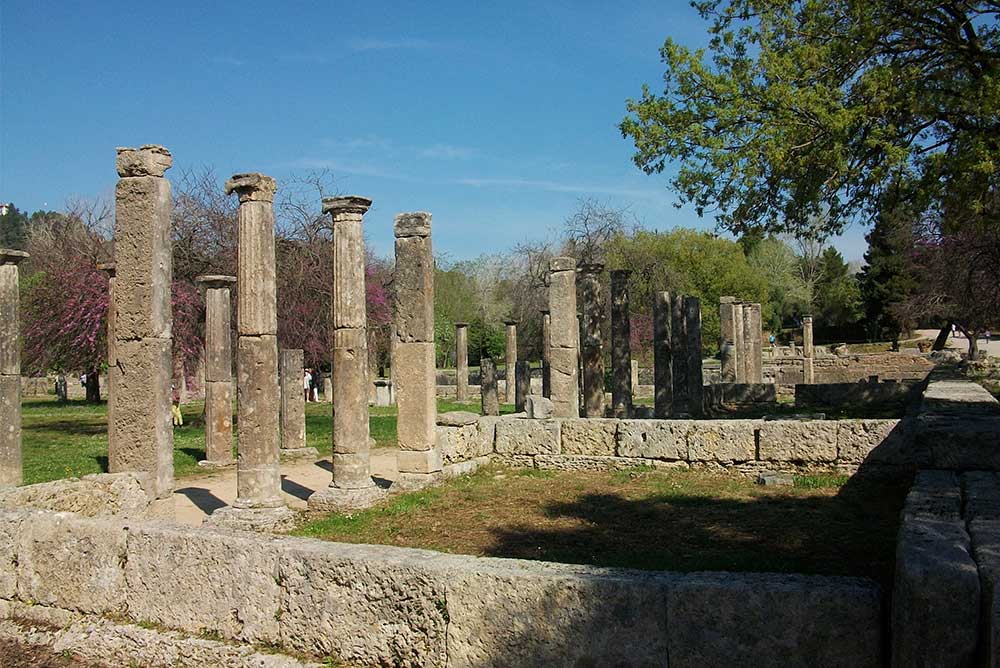
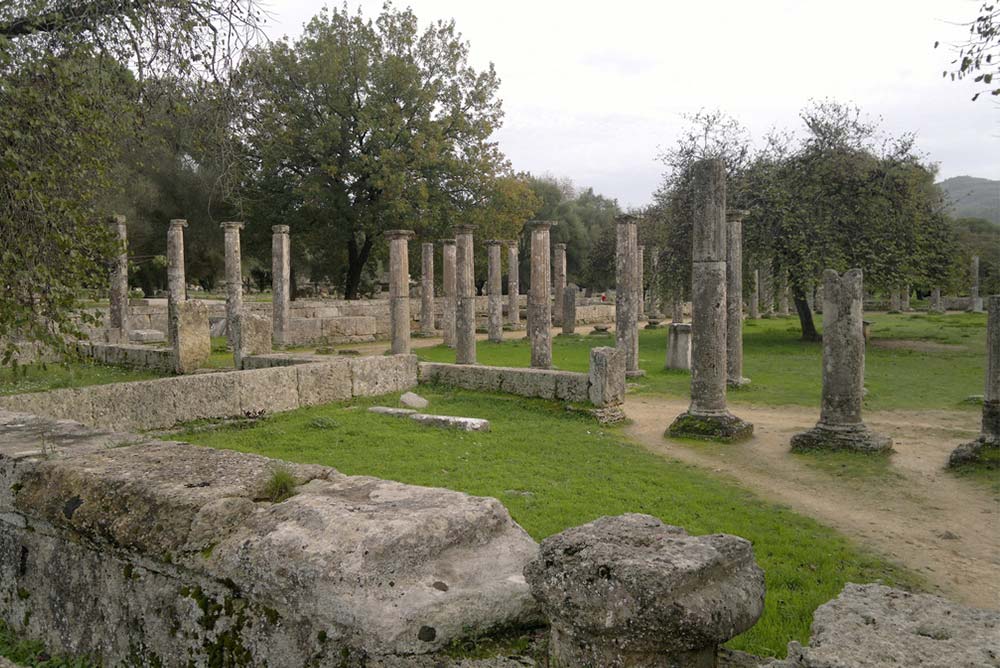
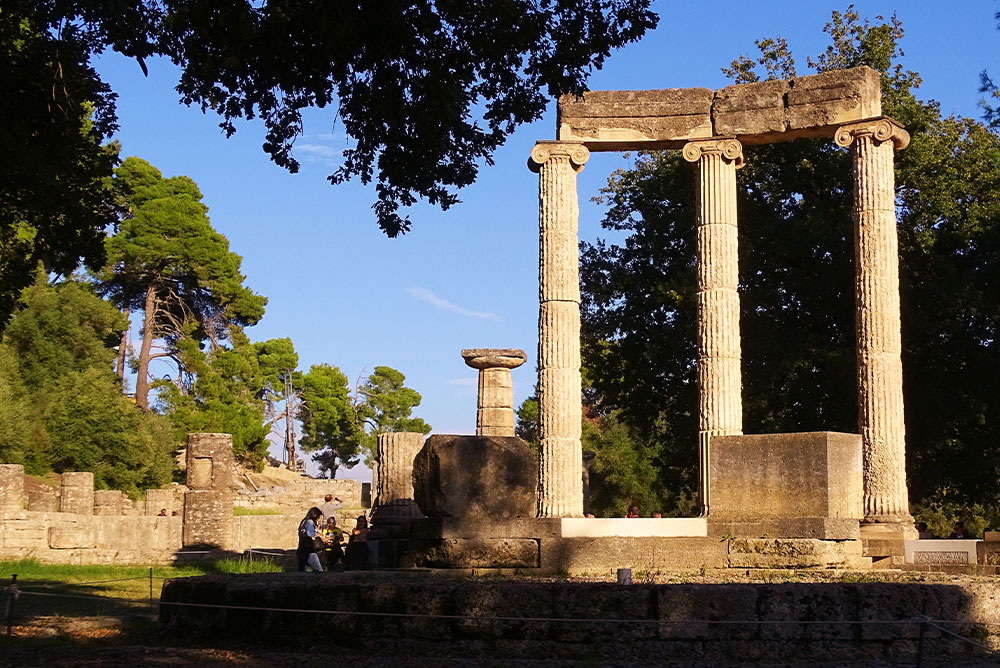
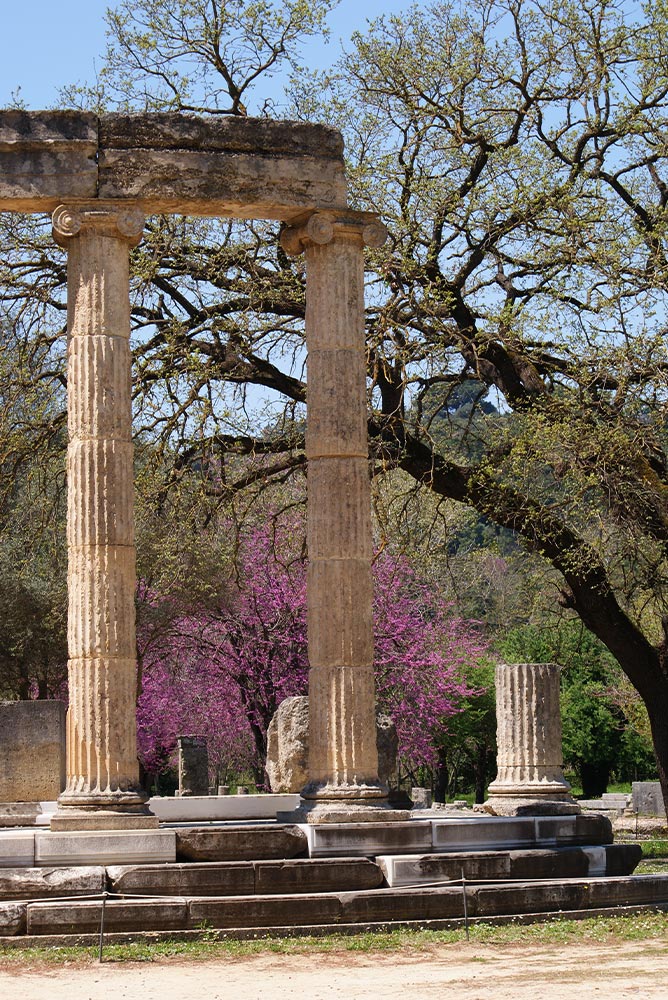
After breakfast, spend the morning exploring the ancient site of Olympia. See the impressive ruins of the temples of Zeus and the temple of Hera, in front of which the Olympic Flame is lighted and the torch relay starts, the Gymnasium (for training of the naked athletes), the Palestra (school and training facilities for the wrestlers) and more.
After lunch, we depart for Delphi where we will settle for the night.
7
Day 4
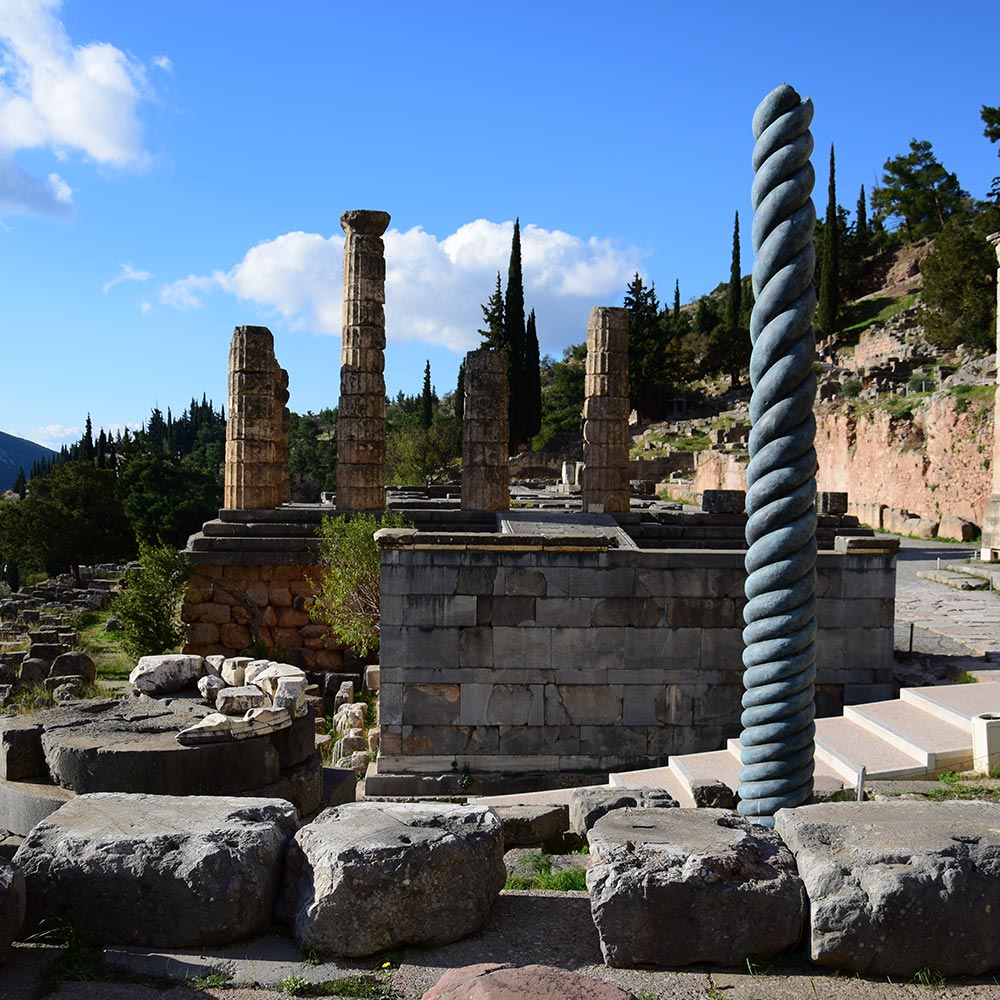
Delphi
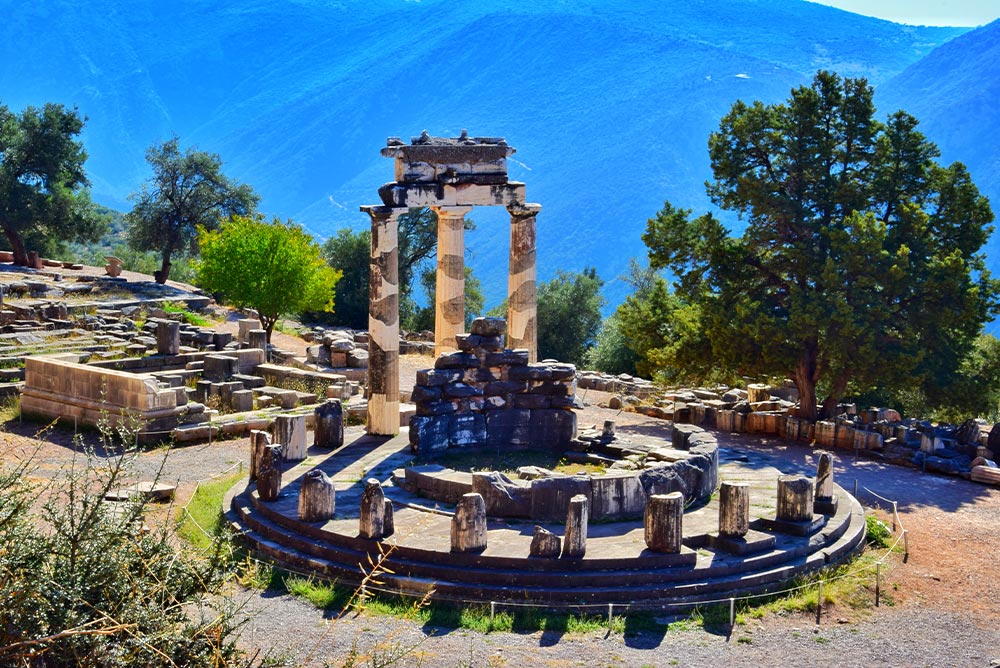
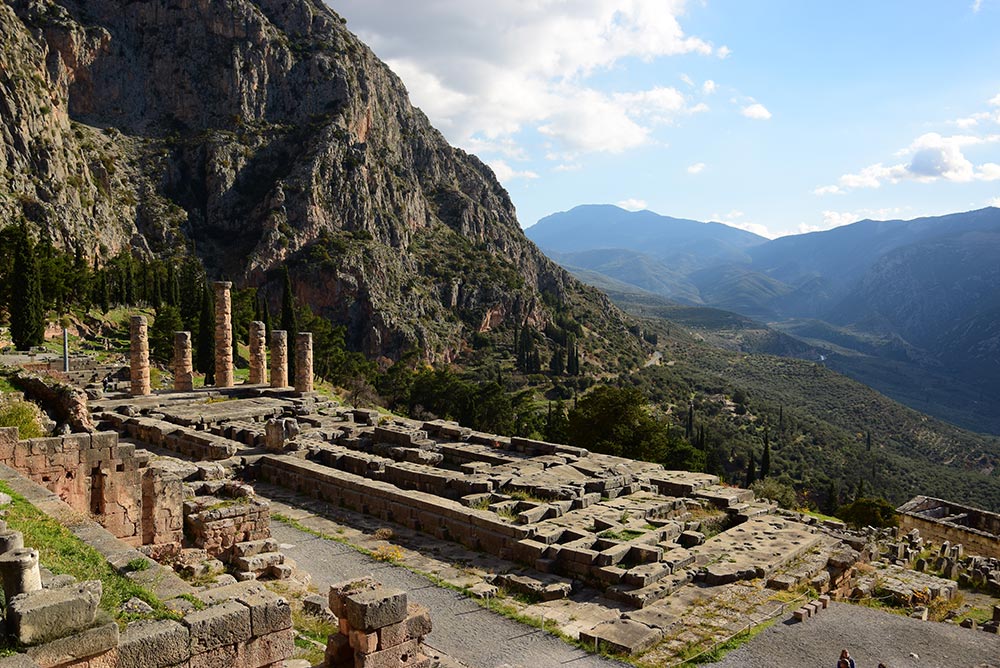
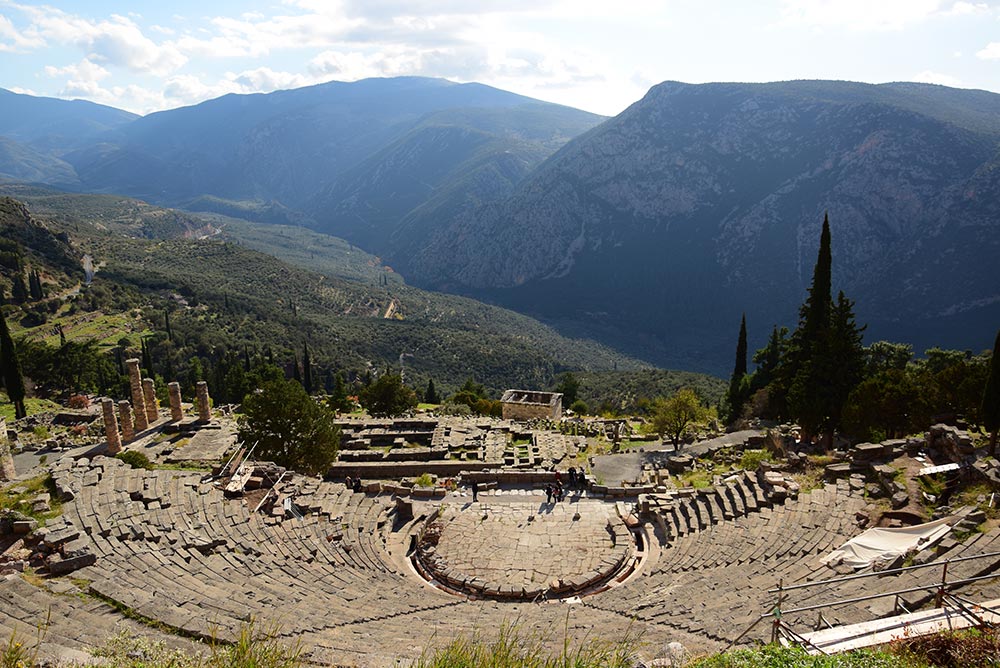
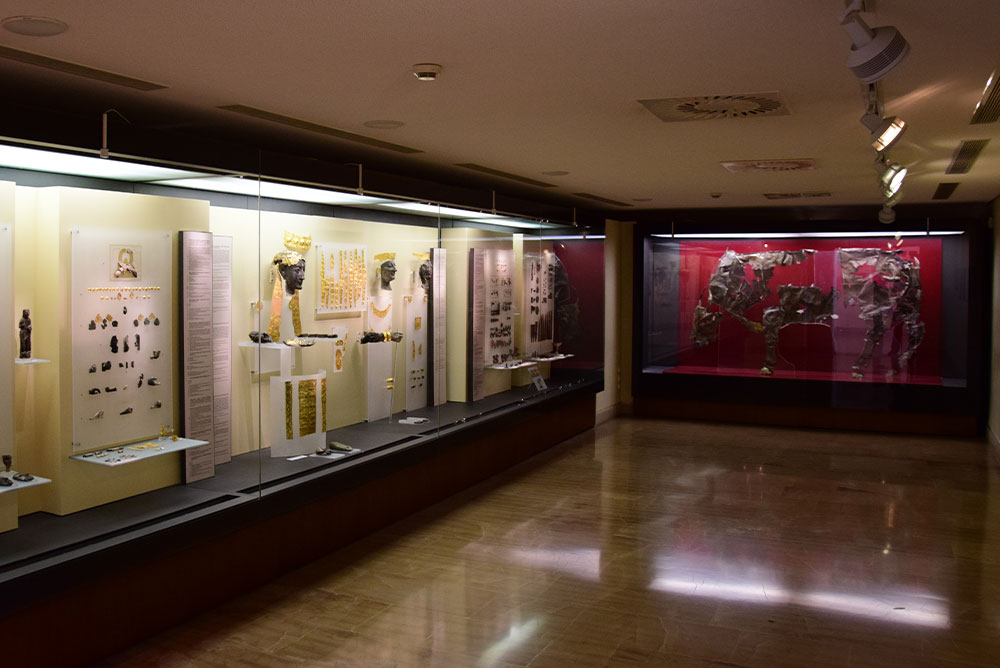
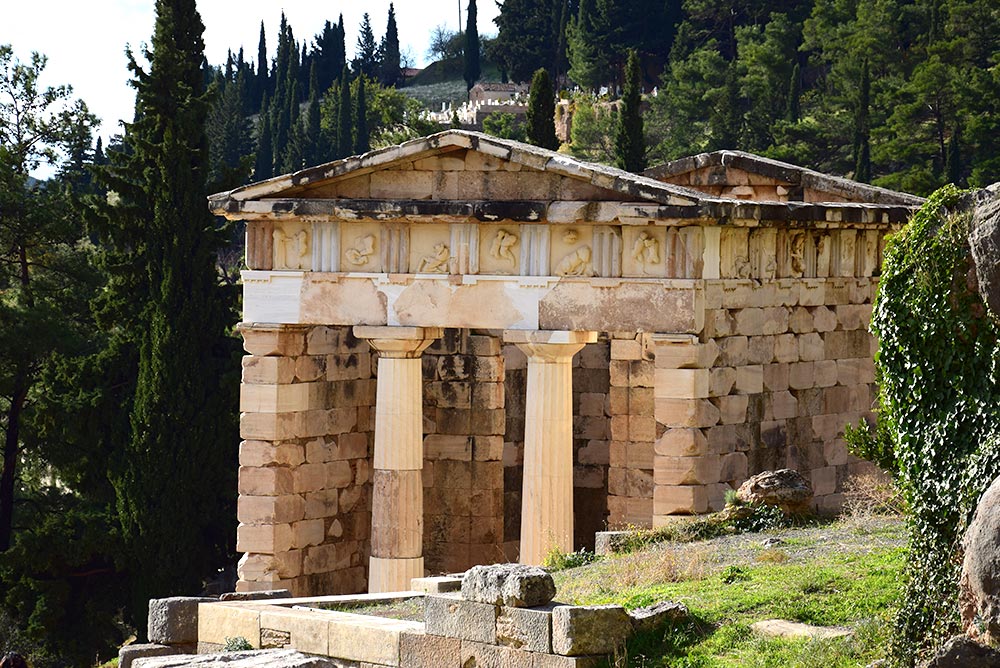
After breakfast, you will explore Delphi known as the center of the world, the popular oracle of Apollo, who spoke to the mortals through the priestess Pythia. Walk up the Sacred Way of the Treasury houses to the Temple of Apollo, the Theater, and the Stadium at the top of the hill.
8
Kalambaka
After lunch,we proceed through the towns of Amphissa, Lamia and Trikala.
Arrive in the town Kalambaka where we will stay overnight.
9
Day 5
Meteora
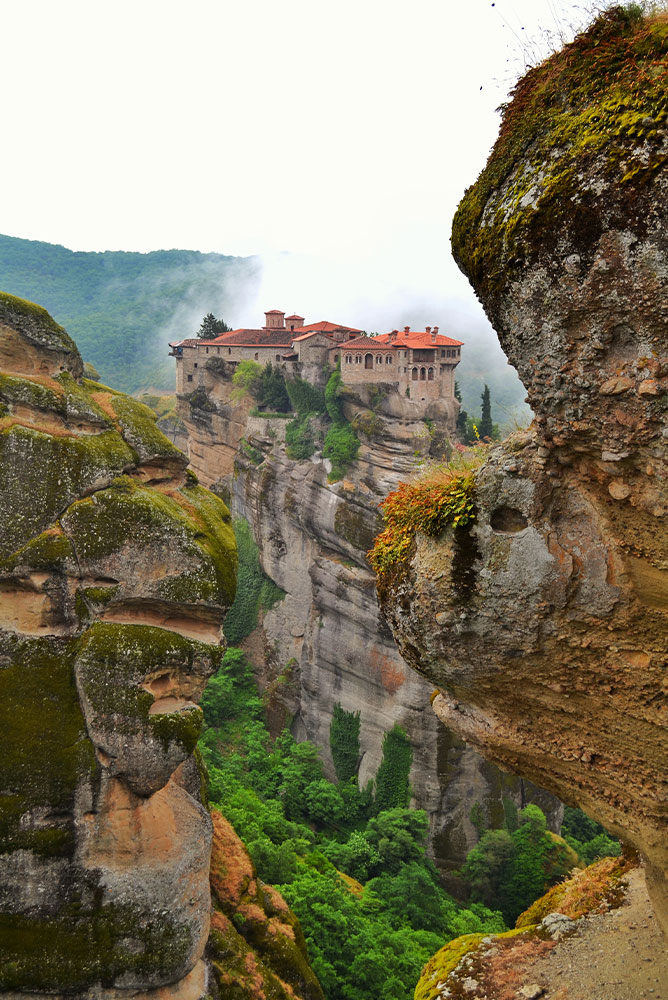
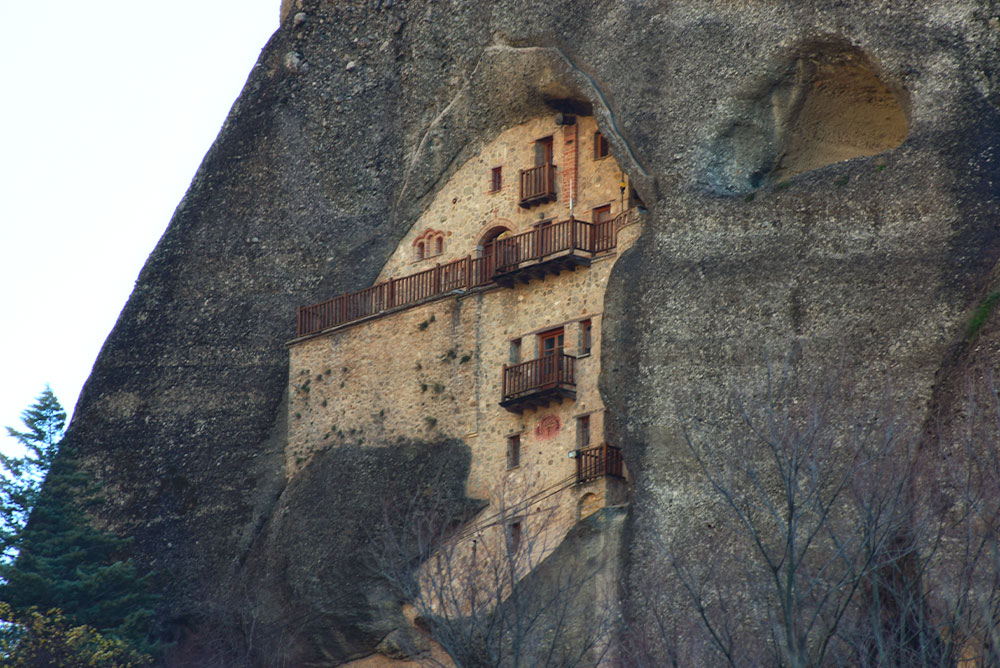
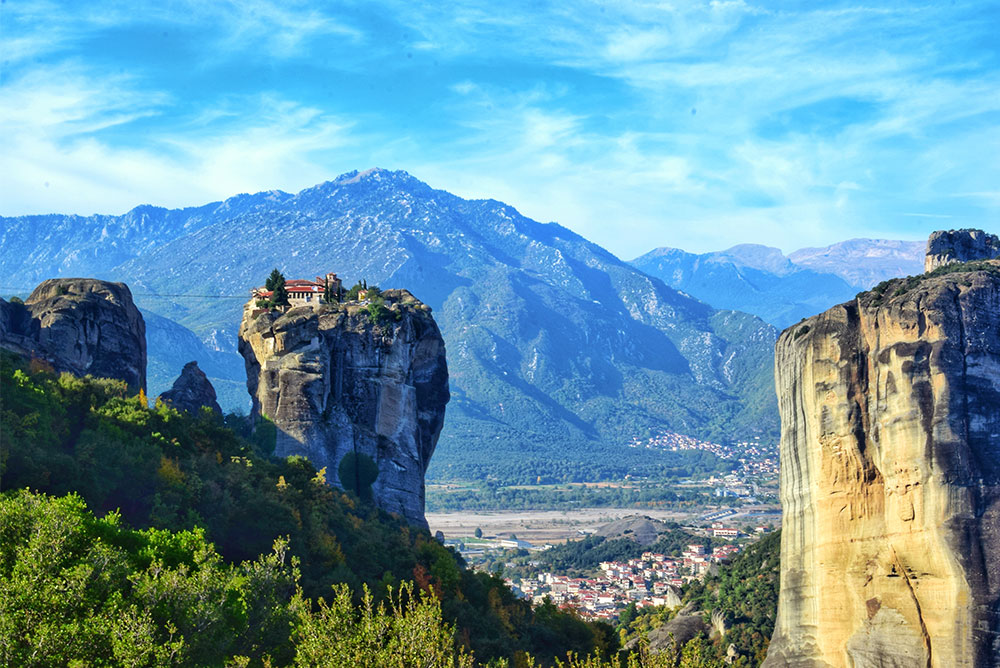
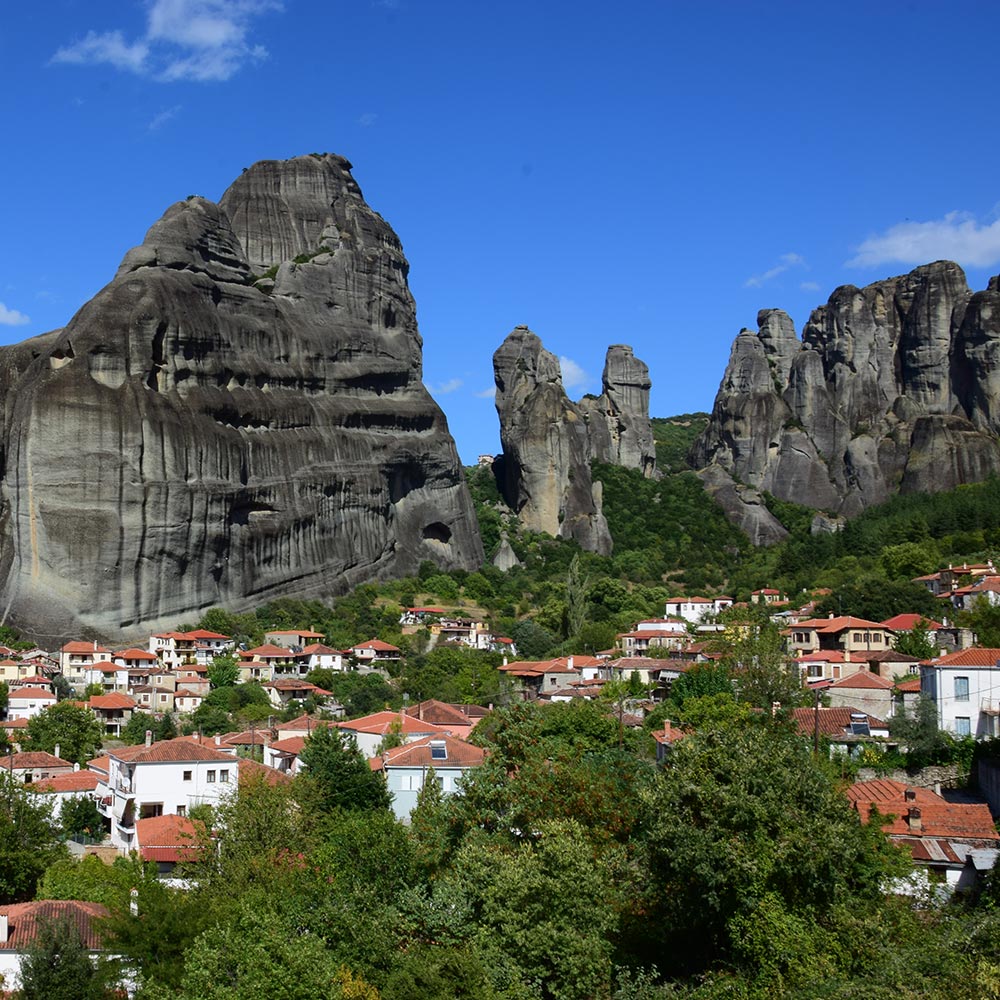
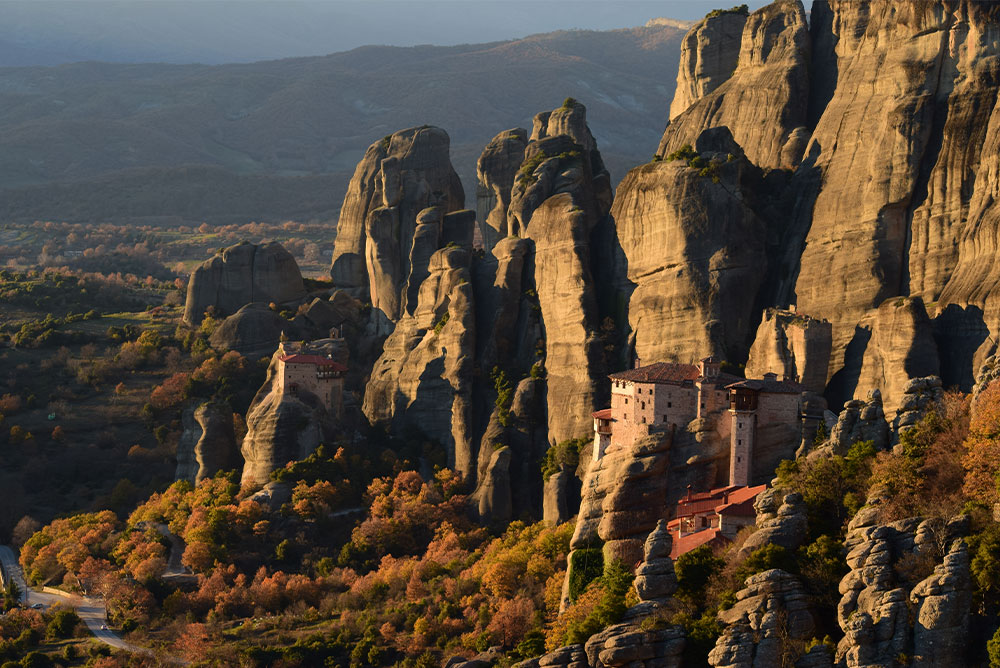
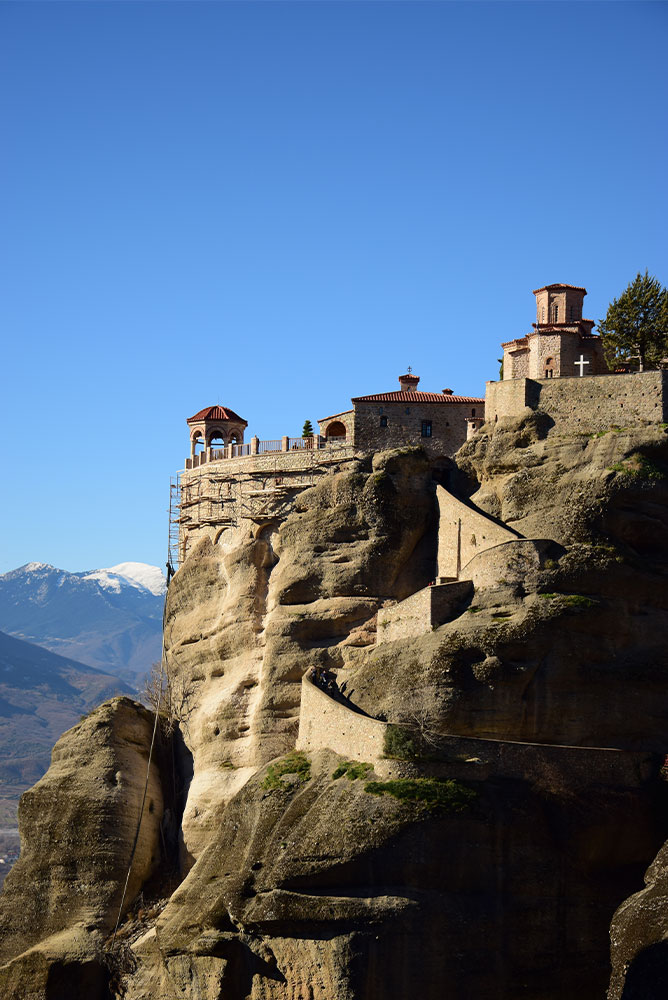
After breakfast, drive up to Meteora and visit two of the Byzantine monasteries, perched on top of gigantic natural sandstone rock pillars of weird shapes. The whole area of Meteora is a unique phenomenon and it is considered by UNESCO part of our world’s heritage.
10
Vergina
After lunch, we start driving through Pindos mountain line (world war two resistance head quarters) passing Grevena to reach Vergina famous for the graves of Phillip II, father of Alexander the Great.
Overnight stay in Vergina.
11
Day 6
Vergina
After breakfast, you will explore the archaeological site and the tombs of Philip II who conquered all the Greek cities, paving the way for his son Alexander and the expansion of the Hellenistic world. The visitor will also see a family tomb, known as the “Tomb of Persephone”, with the incomparable fresco of the abduction of Persephone by Hades and a ruined building named “Heroon”, probably used for the worship of the dead royal members buried next door.
12
Pella
We continue on to Pella birthplace of Alexander the Great. Pella was the second capital of the ancient kingdom of Macedonia, founded by Archelaus (413-399BC), replacing the older city of Vergina to ensure a better communication with the rest of the Greek world, both via sea and mainland.
13
Litochoron
After lunch, we depart for Litochoron which lays on the foot of Mt.Olympus (home of the 12 Olympian Gods).
Overnight stay in Litochoron.
14
Day 7
Dion
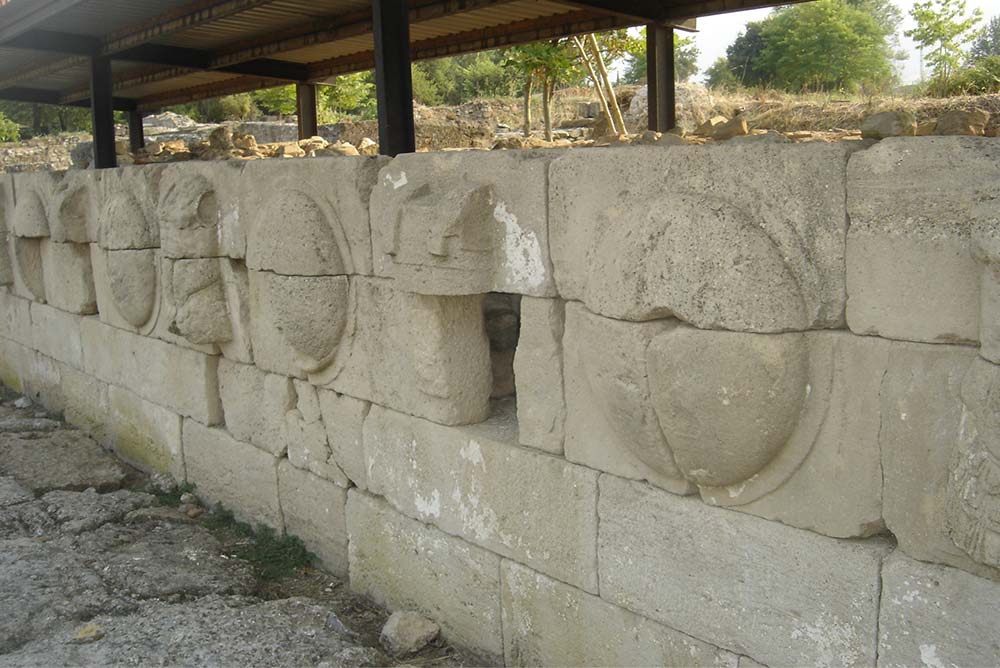
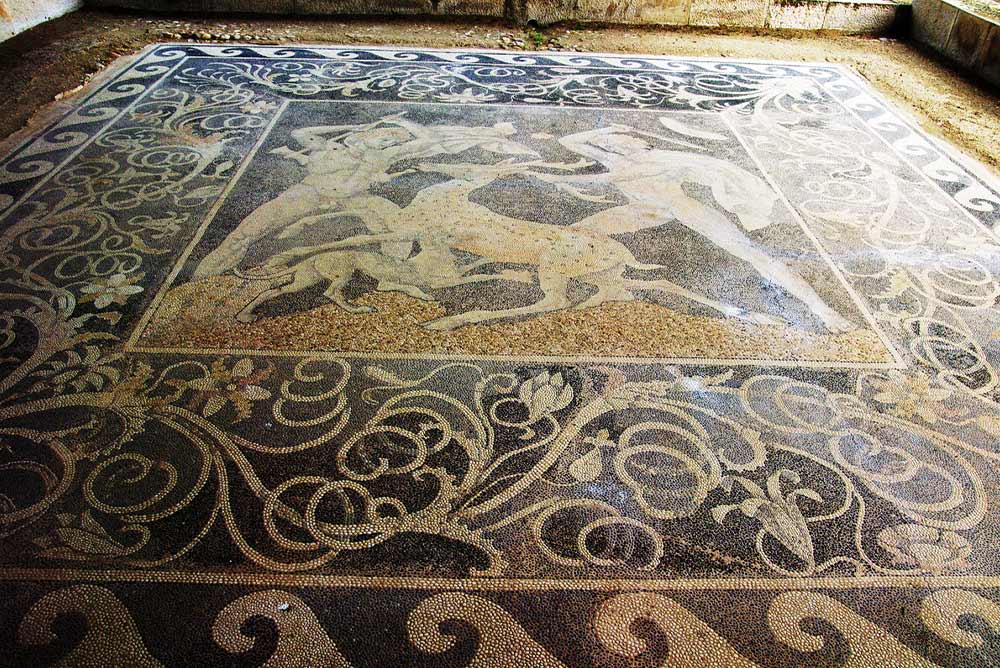
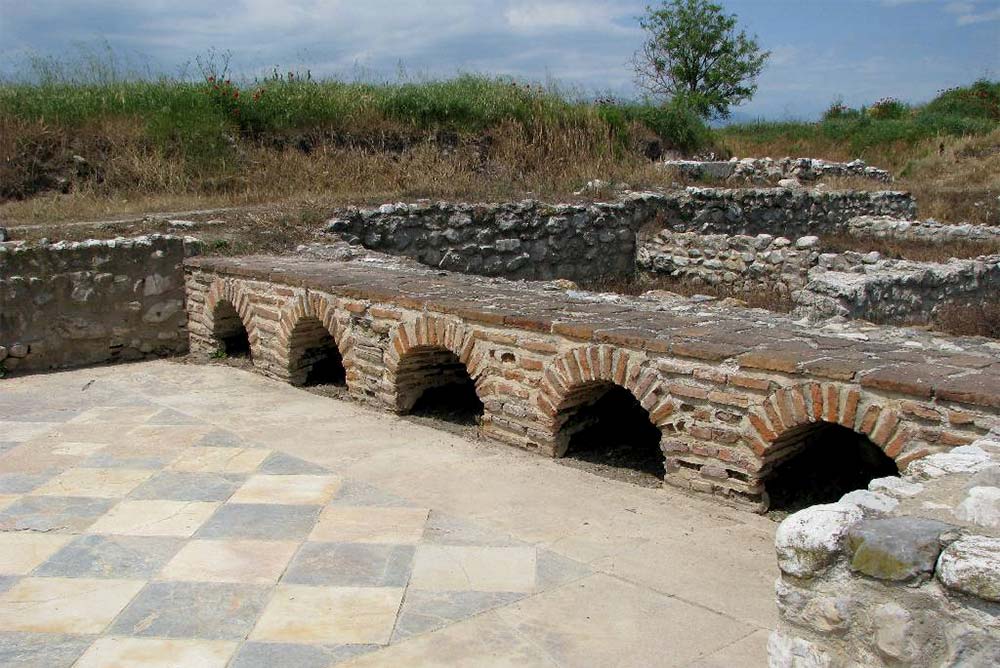
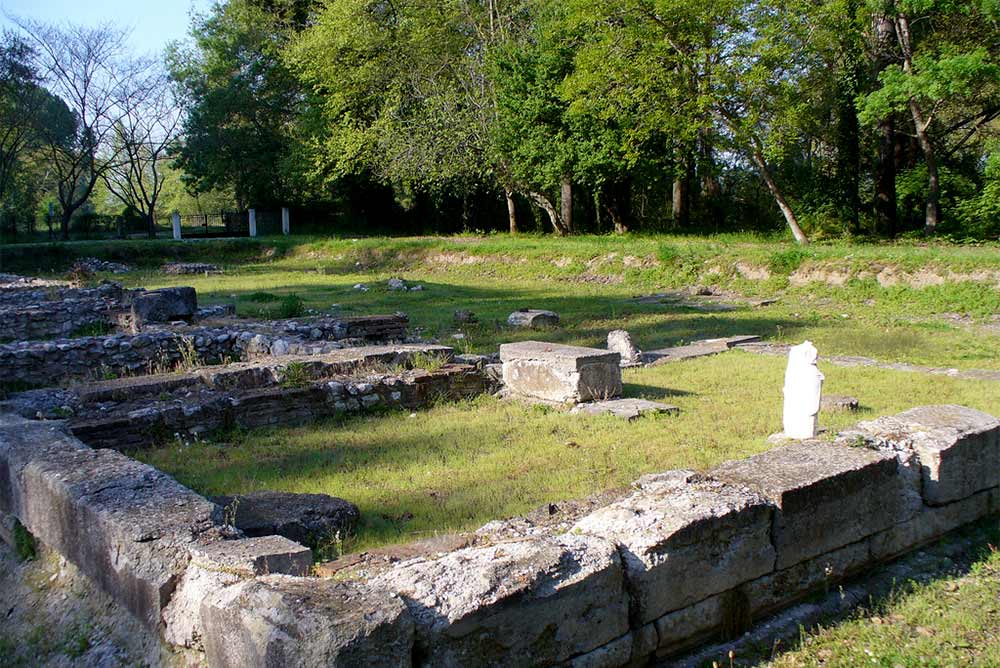
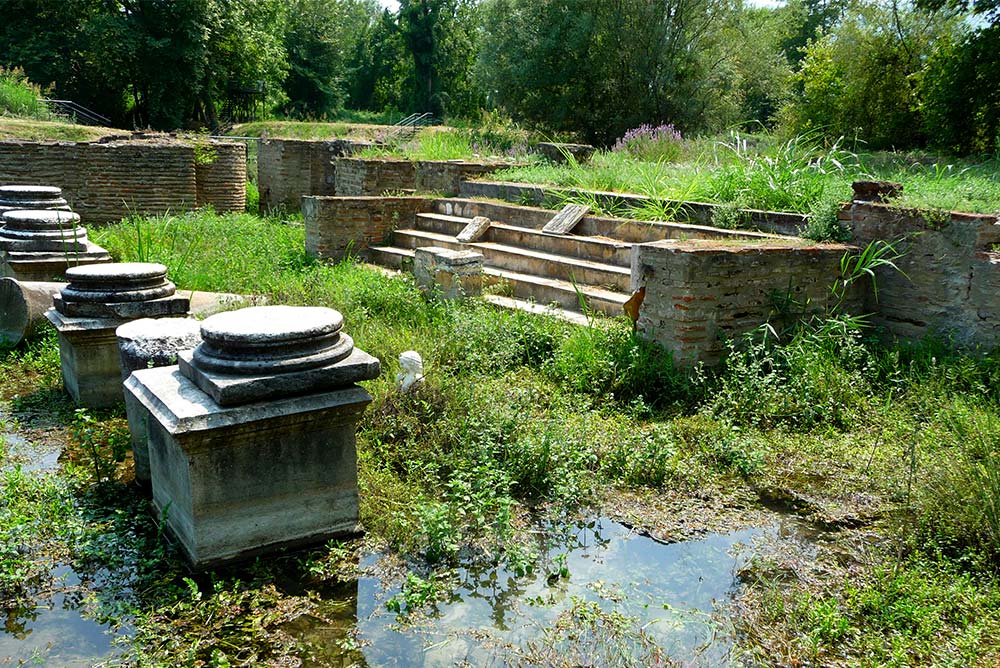
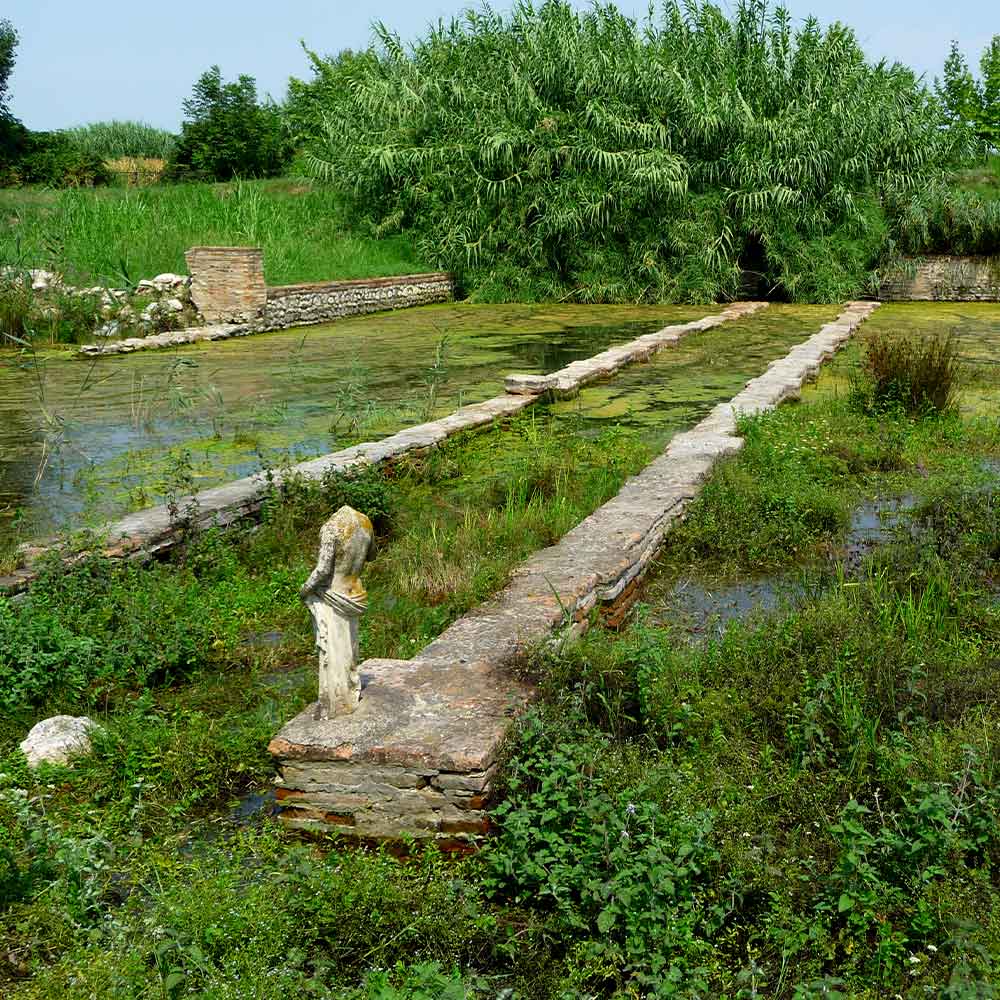
After breakfast, you will visit the archaeological site of Dion. Ancient kings of Macedonia had chosen Dion as their summer resort. There they created, centuries ago, a settlement in the ruins of which the parts of the ancient Macedonian civilization are evident.
Archaeologists, with Professor Dr Pantermalis at the head of them, discovered an admirable civilization. Remains of an ancient theater, market baths and palace. The findings of graves found in Dion area are also remarkable. Most royal tombs give away the existence of an eminent and thriving civilization. Today we can admire the ruins of that civilization in the archaeological site of Dion and the archaeological museum of Dion.
15
Thermopylae
After lunch, we start our way back to Athens stopping at Thermopylae, the area where the Spartan King Leonidas and his 300 soldiers fought the Persians in 480 BC.
Arrive in Athens n the evening.